Repairing vs. Replacing Your Furnace: When to Call in the Experts
When faced with heating issues, homeowners often face the decision to repair or replace their furnace. Multiple signs can indicate the need for repair, while other factors may point to a replacement is more sensible. Understanding the age of the furnace and the associated costs can add complexity to this choice. A professional HVAC technician can provide valuable advice, but knowing when to seek their expertise is essential for educated decision-making. What factors should you be aware of?
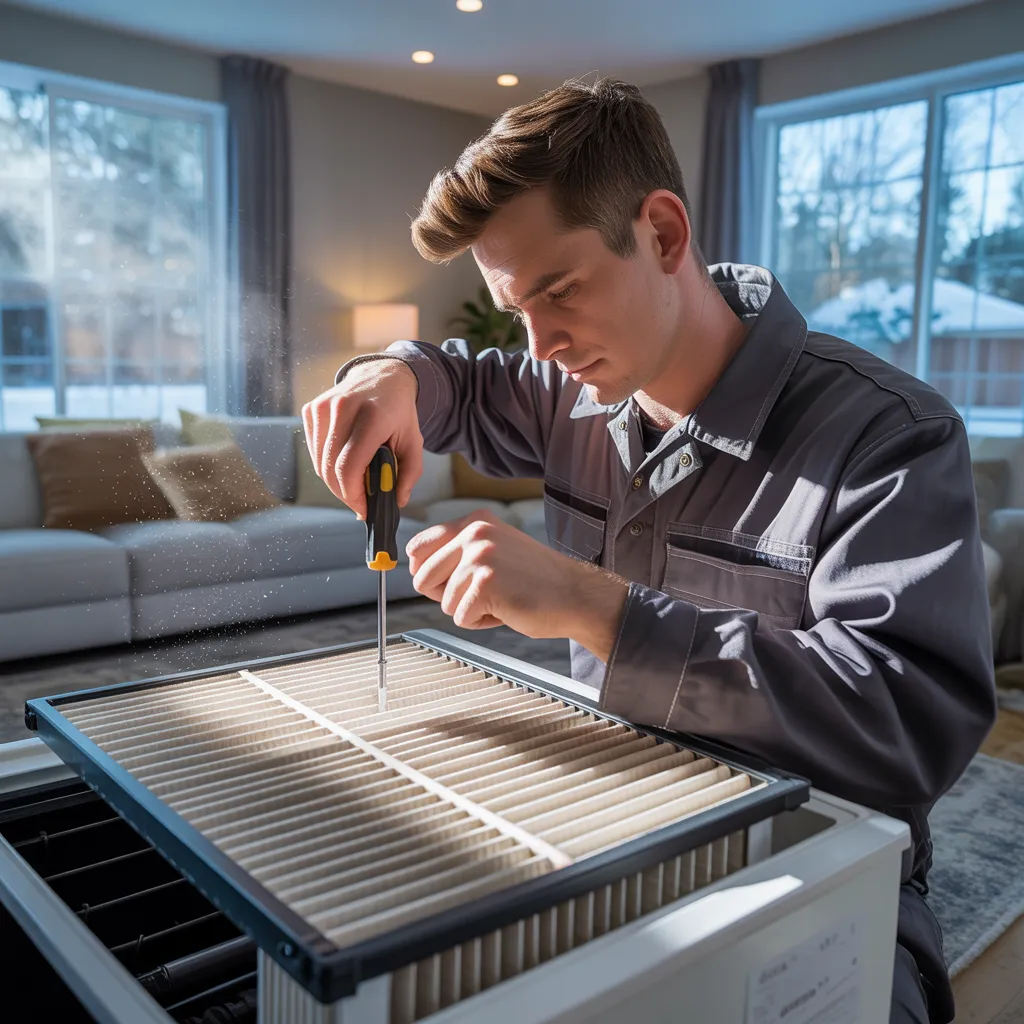
Signs That Indicate Your Furnace Requires Repair
What methods can homeowners determine if their furnace calls for repair? A number of signs might indicate the need for professional attention. Abnormal noises, such as banging or rattling, often indicate mechanical issues that must not be overlooked. Moreover, if the furnace gives off odd odors, such as burning or gas smells, it may point to a serious problem that necessitates immediate inspection. Homeowners should also keep an eye on their energy bills; a sudden rise in costs can indicate inefficiency, suggesting that the furnace is struggling to operate properly. Variable heating throughout the home is another red flag, as it may suggest airflow problems or malfunctioning components. In conclusion, if the furnace frequently toggles on and off, this may be a sign of an underlying issue demanding repair. Recognizing these warning signs can help homeowners handle potential problems before they worsen, maintaining a safe and efficient heating system.
Key Factors to Evaluate for Replacement
When thinking about furnace replacement, homeowners should evaluate several key factors to obtain a wise investment. First, energy efficiency is crucial; newer models often deliver significant savings on utility bills. Homeowners should look for units with high Annual Fuel Utilization Efficiency (AFUE) ratings. Second, the size of the furnace is crucial; an improperly sized unit can cause inefficient heating or increased wear. Third, consider the type of fuel; switching from oil to gas or electric may deliver advantages in availability and cost.
Furthermore, area weather patterns should affect the decision, as extreme weather may call for a more resilient system. Home occupants should also examine their budget, including setup expenses and available incentives for high-efficiency models. Lastly, working with a professional can provide insights into the best options customized for the residence's specific needs. Evaluating these factors can help achieve a positive and budget-friendly furnace replacement.
Your Furnace's Age: When Should You Let Go?
Determining the appropriate time to replace a furnace typically copyrights on its age and performance. In most cases, a properly maintained furnace can last between 15 to 20 years. As furnaces age, their efficiency tends to diminish, leading to higher energy bills and inconsistent heating. If a furnace is approaching the end of its lifespan and commences to require frequent repairs, it may indicate that replacement is more sensible than continued maintenance.
Additionally, older furnaces may not meet current energy efficiency standards, resulting in increased utility costs. Homeowners should also be aware of any unusual noises, odors, or fluctuations in temperature, as these can signal deeper issues related to age. Eventually, if a furnace is older than 15 years and displays signs of wear, it may be time to contact a professional about potential replacement, securing reliable heating and improved energy efficiency for the home.
Expense Evaluation: Fixing vs. Installing a New Your Furnace
While several homeowners could feel tempted to repair their aging furnaces, a detailed cost analysis reveals that replacement can commonly be more cost-effective in the long haul. Repair costs can accumulate quickly, specifically if several components malfunction or if the furnace runs inefficiently due to age. A general rule of thumb is that if repair costs exceed 50% of the replacement cost, it might be more prudent to invest in a new unit.
Additionally, newer models typically offer enhanced energy efficiency, that could lead to lower utility bills. Homeowners should also consider the potential for increased home value with a modern furnace. Repair expenses for older systems can be unpredictable, often resulting in additional expenditures. By assessing these factors against the initial repair costs, homeowners can make a more informed decision. Eventually, investing in a replacement might not only offer immediate savings but also long-term financial benefits.
When You Need a Professional HVAC Technician
Deciding whether to repair or replace a furnace often leads homeowners to a significant crossroads, where consulting a professional HVAC technician becomes important. Homeowners should seek expert advice when experiencing recurring issues, such as repeated failures or poor heating performance, which can indicate deeper problems. A technician can assess the furnace's age, overall condition, and repair history, assisting in deciding if repair costs are justifiable compared to replacement expenses.
Additionally, if the furnace requires major components to be replaced, such as the heat exchanger, it might be more cost-effective to assess a new unit. Homeowners should also contact professionals when they experience unusual noises, odors, or fluctuating temperatures, as these indicators can signal significant underlying issues. Ultimately, a qualified HVAC technician can deliver valuable insights, allowing homeowners to make informed decisions that best match their heating needs and budget.
Common Questions
What Is the Ideal Schedule for Furnace Maintenance?
It's commonly suggested that homeowners plan for yearly furnace servicing. Scheduled assessments help ensure superior functionality, promote energy efficiency, and lengthen the system's service life, thereby preventing expensive repairs or early replacement down the road.
Can DIY Furnace Repairs Be Done Safely?
Attempting DIY repairs on a furnace can be unsafe. While some minor tasks might be manageable, many repairs necessitate professional expertise to assure safety and proper functioning. Contacting a technician is wise for advanced issues.
What Are Frequent Myths About Furnace Repairs?
Popular misconceptions about furnace repairs include find out about this the beliefs that all repairs are easy, every issue falls under warranty coverage, and that aging systems cannot be fixed properly. Such incorrect assumptions often bring about unnecessary expenses and improper maintenance.
How Can I Improve My Furnace's Energy Efficiency?
Enhancing a furnace's energy efficiency requires regular maintenance, sealing ductwork, upgrading to a programmable thermostat, replacing air filters frequently, and ensuring adequate insulation throughout the home to reduce heat loss and enhance performance.
What Warranty Coverage Is Available for New Furnace Installations?
Multiple warranties are provided for new furnace installations, including manufacturer warranties covering parts for multiple years, extended warranties delivering additional coverage, and labor warranties providing service quality, which can vary considerably by contractor and model.